November 25, 2026
Walking into a specialty footwear store for the first time can feel unfamiliar, especially if you are new to running or returning after a long break. Similar-looking shoes may fit quite differently. We aim to make the experience approachable by discussing your needs before narrowing the options. A visit is an opportunity to learn what feels comfortable and what equipment may support your activities.
Personal Goal Discussion
Activity Background
We begin by learning about the activities you enjoy and the experience you bring to the conversation. A running shop can serve people who walk regularly, train for races, or simply want comfortable footwear for everyday movement. Your background helps us understand which product characteristics deserve attention.
Training Plans
Someone preparing for a first short race may have different priorities from a runner building mileage for a longer event. We discuss anticipated activity without assuming that everyone has competitive goals. Understanding your plans helps us narrow the range of footwear and accessories worth considering.
Comfort Priorities
Previous experiences with footwear can reveal useful information about personal preferences. We welcome descriptions of shoes that felt comfortable and those that caused irritation or pressure. These observations help guide the conversation without treating any single experience as a definitive explanation for discomfort or injury.
Health Motivations
According to WebMD, spending 50 minutes each week running may help lower the risk of heart disease. People pursue movement for many reasons, and we respect individual goals. Our focus is helping customers explore equipment appropriate for their activities rather than prescribing exercise or making medical recommendations.
Footwear Fit Assessment
Foot Dimensions
Shoe size can vary between brands and even between models from the same manufacturer. At a running shop, discussing foot length and width can help identify suitable options. We consider the space available around the toes and the overall fit rather than relying exclusively on a printed size.
Heel Comfort
The heel area should feel comfortable and secure without creating excessive pressure. We invite customers to describe how different shoes feel during fitting. Small differences in shape, padding, and construction may influence personal preferences, even when two models appear to have very similar features.
Forefoot Space
The shape of the front portion of a shoe can influence how comfortable it feels during movement. We consider whether a model accommodates the customer's foot shape without unnecessary restriction. A wider or differently shaped option may be worth exploring when conventional sizing feels uncomfortable.
Sock Compatibility
Sock thickness and construction can affect the way a shoe fits. We discuss the types of socks customers typically wear during their activities and consider them when comparing footwear. This makes fitting more representative of everyday use.
Footwear Option Comparison
Cushioning Characteristics
Some customers prefer a soft sensation underfoot, while others enjoy a firmer and more responsive feel. A running shop offers an opportunity to compare these differences directly. We explain that cushioning preferences are personal and that more cushioning does not automatically make a shoe suitable for everyone.
Support Features
Footwear designs may incorporate different shapes, materials, and structural features intended to influence the feel of movement. We explain these distinctions in accessible language. Customers can compare options without assuming that a particular category is inherently superior or that a shoe can guarantee freedom from injury.
Sole Construction
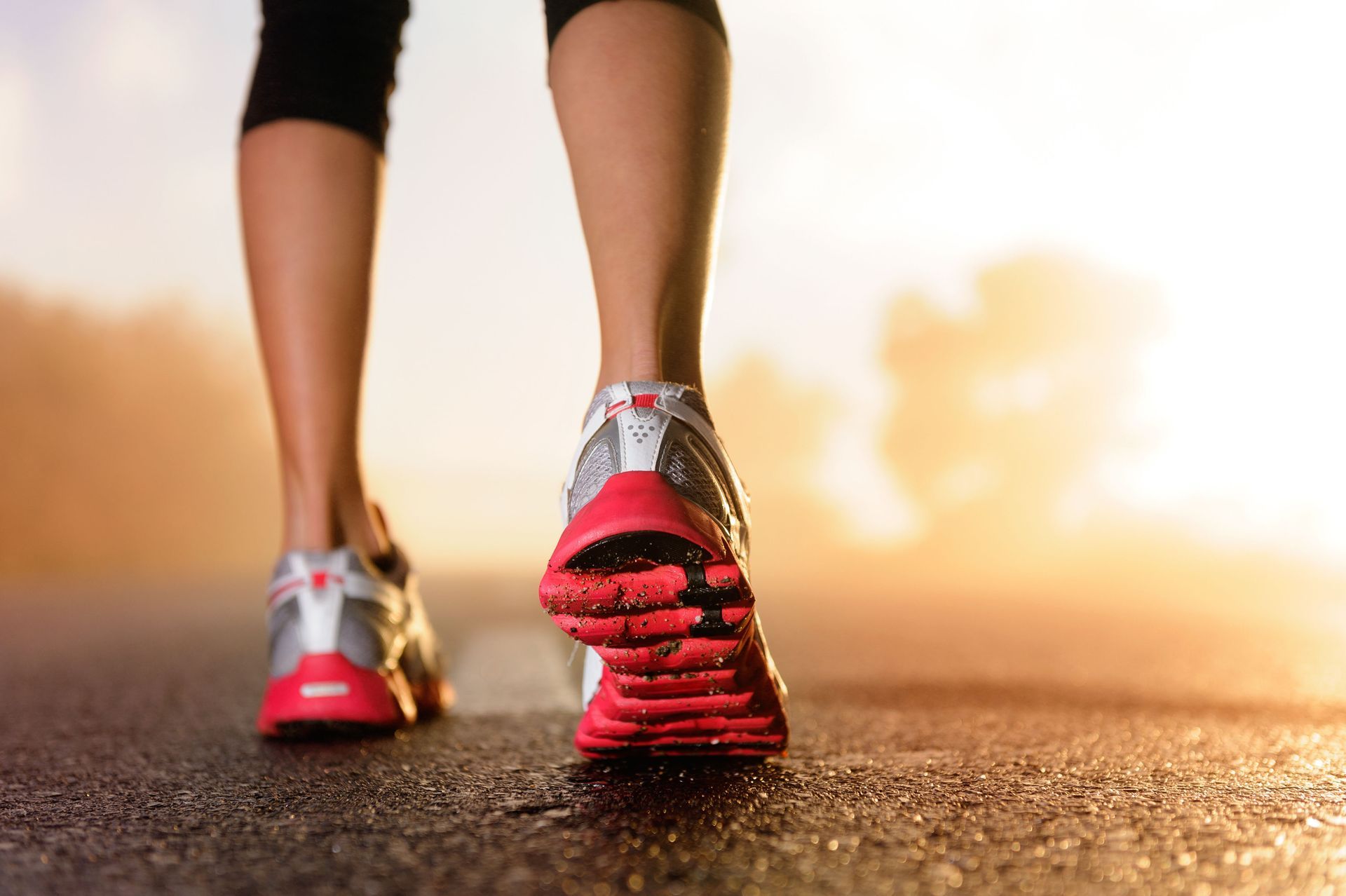
Outsole materials and tread patterns vary according to intended use. We discuss differences between footwear designed for paved surfaces and models intended for uneven terrain. Considering the surfaces you encounter regularly helps us identify options that align with the practical demands of your usual activities.
Upper Materials
The upper portion of a shoe influences ventilation, flexibility, and how the foot feels enclosed. We discuss differences in construction when customers compare models. Weather, activity duration, and material sensitivity can influence preferences.
Movement and Comfort Evaluation
Walking Impressions
Standing in a shoe provides useful information, but movement can reveal additional differences in comfort. We encourage customers to share their impressions when trying available footwear. Visiting a running shop allows these observations to become part of the conversation rather than relying solely on descriptions from packaging.
Natural Preferences
People differ in how they perceive cushioning, flexibility, and the transition between steps. We listen to these preferences instead of expecting every customer to favor the same model. The most useful comparison is often the one that helps an individual articulate what feels comfortable during ordinary movement.
Pressure Awareness
A shoe may feel comfortable in one area while creating unwanted pressure elsewhere. We welcome specific feedback about the toes, arch, heel, or upper portion during fitting. Identifying these sensations can help narrow the options and avoid choosing footwear based entirely on appearance or brand familiarity.
Fit Reassessment
Comparing several models sometimes changes a customer's understanding of what feels comfortable. We allow room for reconsideration during the selection process and discuss differences that become apparent. A thoughtful fitting experience should support an informed choice rather than create pressure to select the first acceptable option.
Accessory Selection
Performance Socks
Socks are often overlooked when customers think about running equipment. A running shop can introduce options with different cushioning, thickness, and material characteristics. We discuss how these differences may affect comfort inside a shoe, particularly during longer activities or when conditions become warm and humid.
Visibility Accessories
People who exercise near roads or in low light may want to consider equipment that improves their visibility. We discuss relevant accessory characteristics when appropriate. Reflective materials and lights can support visibility, although they do not replace awareness of traffic or other precautions during outdoor activity.
Weather Considerations
Seasonal changes can influence what feels comfortable during a walk or run. We discuss how clothing and footwear preferences may differ in warmer, colder, or wetter conditions. Customers need not purchase equipment for every possible situation.
Carrying Options
Longer outings may involve carrying a phone, keys, or other personal items. We discuss relevant accessory options and how different designs may suit individual preferences. Comfort, accessibility, and the amount of equipment a person actually needs are useful considerations when evaluating products intended for movement.
Purchase and Future Planning
Product Questions
We encourage customers to ask about materials, fit, and intended use before making a purchase. A running shop should make these conversations approachable regardless of a person's experience level. Clear explanations help customers understand meaningful product differences without needing to become experts in footwear terminology themselves.
Realistic Expectations
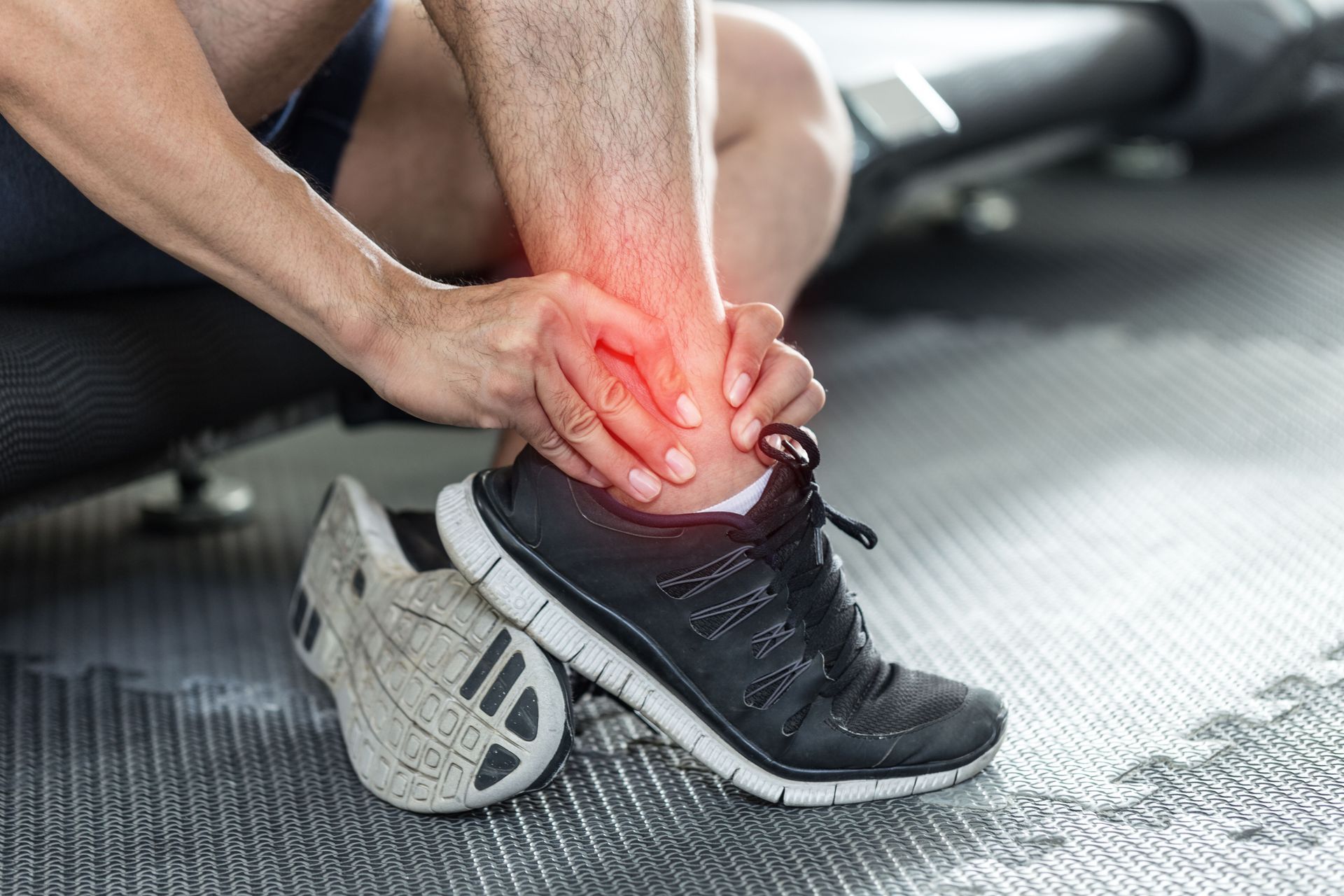
Even a carefully selected shoe cannot guarantee improved performance or prevent every source of discomfort. We explain the intended characteristics of available products and acknowledge their limitations. Customers experiencing persistent pain should seek appropriate healthcare guidance rather than expecting a footwear purchase to resolve a medical concern.
Changing Needs
Footwear preferences can evolve as activities, distances, and personal circumstances change. We encourage customers to consider their current needs rather than assuming one model will always remain appropriate. Future visits offer opportunities to compare options as needs evolve.
Ongoing Conversations
Your first visit does not need to answer every question about running equipment. We welcome future conversations about comfort, product differences, and changing goals. Returning can help you make informed decisions as your experience grows.
Your first visit should leave you with a clearer understanding of your footwear options and the equipment that suits your routine. Visit Legends Running Shop to explore available shoes, discuss your goals with our team, and find a comfortable starting point for your next outing.