October 1, 2026
Stepping out for a daily run brings incredible mental clarity, physical stamina, and a vital boost to overall health. However, many runners overlook the quiet workhorse of their daily routine until an unexpected ache or nagging hot spot appears. Every stride puts significant impact through your shoes, compressing foam, stretching fabric, and wearing down rubber outsoles mile after mile. Continuing to train in worn-out equipment can compromise proper body alignment, throw off natural stride mechanics, and lead to joint fatigue. Understanding when to refresh your running footwear ensures you maintain optimal comfort, steady performance, and continuous enjoyment on every route. Recognizing subtle indicators of wear helps you stay ahead of potential issues before they slow down your fitness journey. This guide details key physical, structural, and performance-based signs indicating that it is time to upgrade your daily pair.
1. Visible Tread Wear and Bald Spots
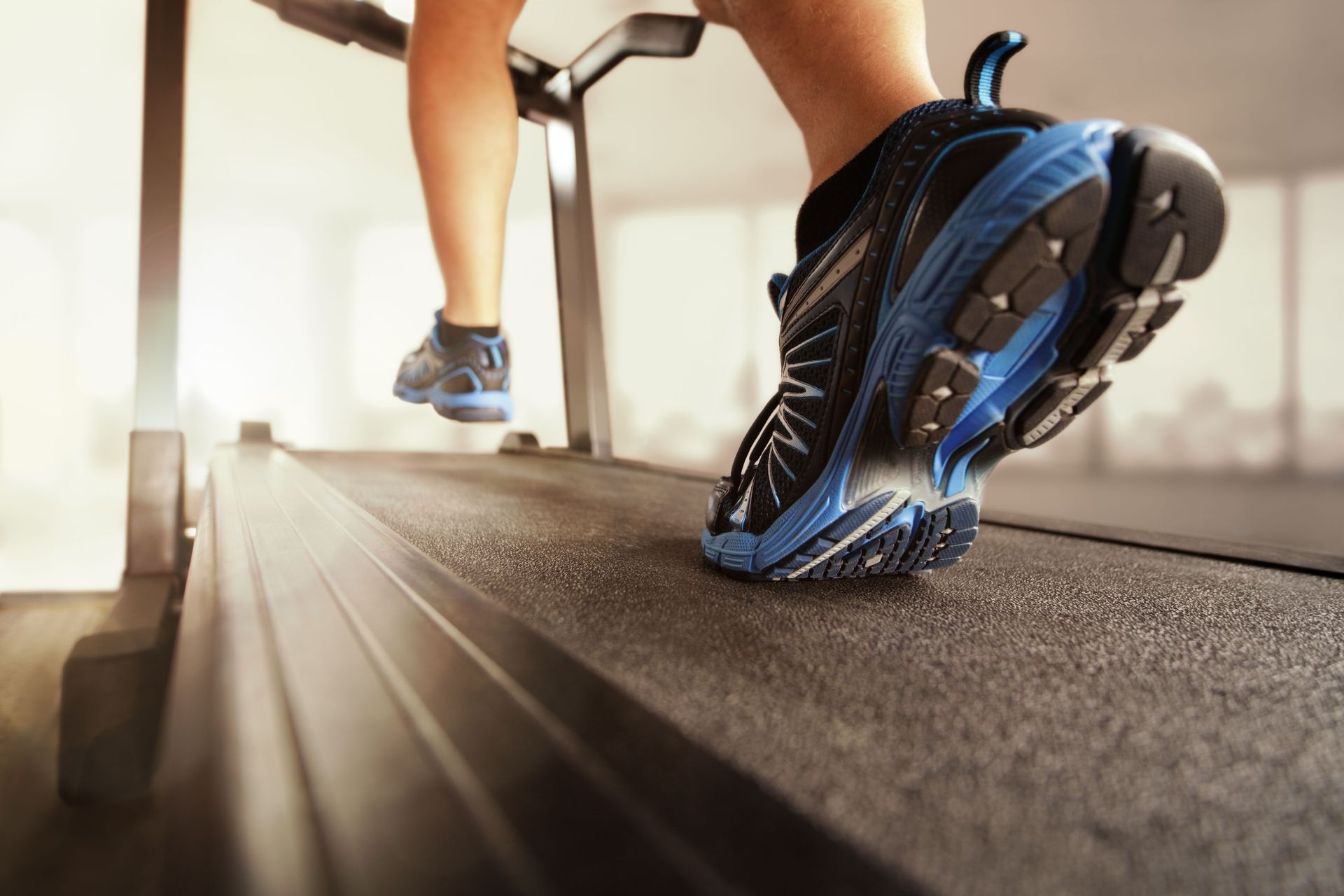
The outsole of your shoe serves as the initial barrier between your feet and the ground, offering vital traction across varied surfaces. Over hundreds of foot strikes, the rubber tread naturally wears down, leading to smooth areas or completely bald spots. When the grippy outer layer erodes, your running footwear loses its ability to grab pavement, dirt, or wet roads securely. Slipping even slightly on push-offs forces your lower legs to work harder to maintain traction, wasting energy and causing unnecessary strain. Regularly inspecting the bottom of your shoes reveals clear patterns of rubber degradation. Once the tread pattern flattens out or exposes the softer foam underneath, the shoe can no longer deliver stable footing during training sessions.
2. Compressed Midsole and Loss of Cushioning
Deep inside every running shoe lies the midsole, typically constructed from specialized foam engineered to absorb shock and provide energy return. Over time, constant vertical impact causes this foam layer to compress, lose its resilience, and fail to spring back. When the cushioning breaks down, the forces from every foot strike travel directly up into your feet, ankles, shins, and knees. You might notice deep wrinkles, permanent creases, or a noticeably stiff feeling when pressing firmly against the side of the midsole. According to Statista, more than 51 million people in the U.S. went running or jogging at least once in 2024, up over 5% from the year prior, highlighting how crucial proper shock absorption is for millions of active individuals across the country. Replacing shoes with flattened midsoles restores crucial protection for every workout.
3. Unexpected Aches in Joints and Muscles
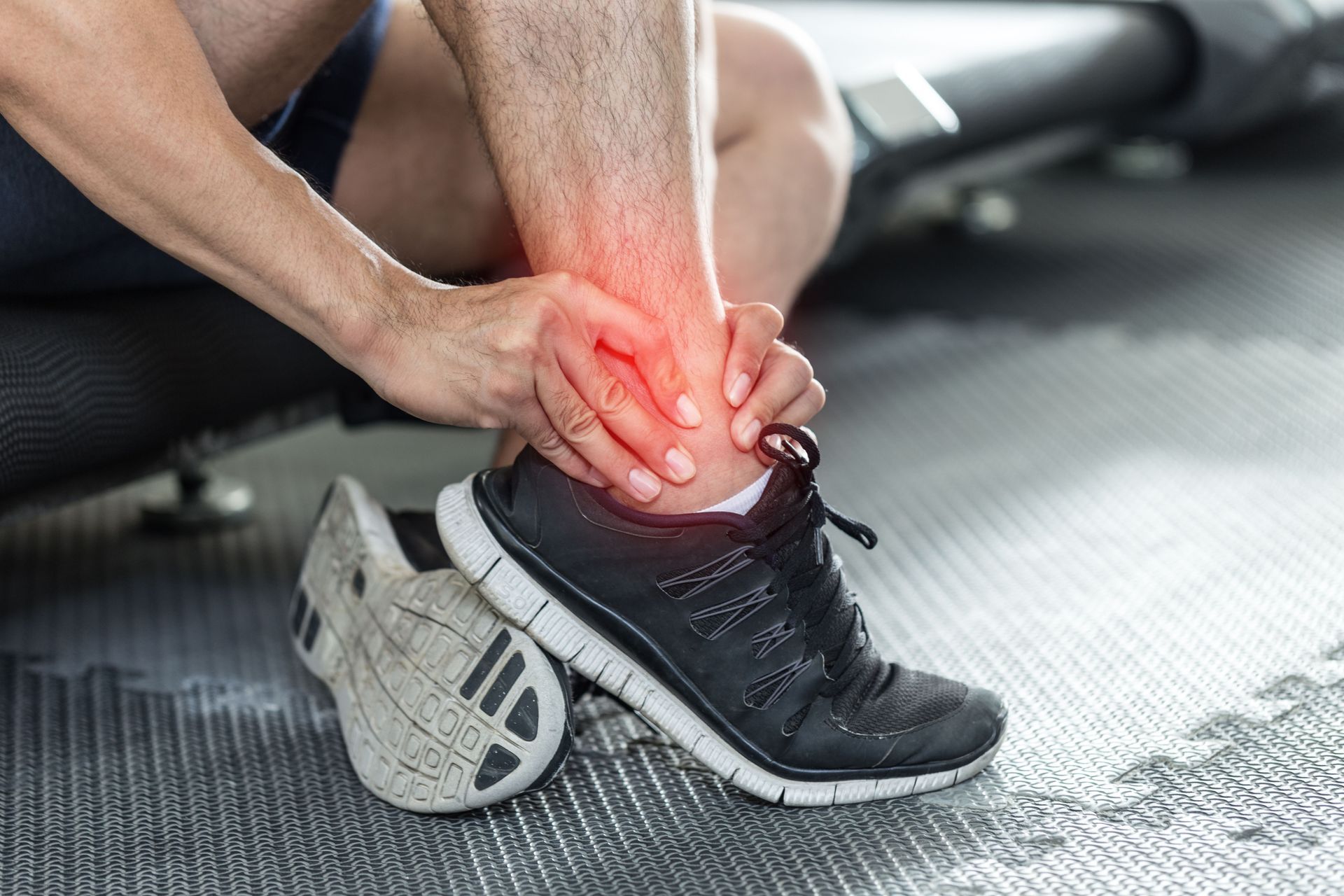
One of the clearest warning signs that your gear has reached the end of its functional life comes directly from your body. Persistent soreness in your knees, hips, lower back, or Achilles tendons after routine runs often points to degraded support structures. As internal cushioning and structural stability decline, your body works significantly harder to stabilize each landing, leading to unexpected muscular fatigue. If familiar training distances suddenly produce lingering discomfort or joint stiffness, the culprit is frequently tired equipment. Paying close attention to physical feedback allows you to replace worn running footwear before minor tightness turns into prolonged downtime.
4. Uneven Wear Patterns Along the Outsole
Examining how the rubber wears across different areas of the outsole offers valuable insight into your natural stride dynamics. While slight outer heel wear is normal for many runners, severe tilt or lopsided breakdown indicates significant structural fatigue. Excessive wear on the inside edge suggests severe inward rolling, while heavy wear along the outer border shows outward landing tendencies. When shoe walls and outsoles lose symmetry, they can no longer hold your foot in a neutral position, amplifying improper movement patterns. Swapping out lopsided running footwear restores a balanced base, allowing your feet to land evenly and safely with every step.
5. Upper Fabric Tears, Stretching, or Holes
The fabric upper is engineered to wrap securely around your midfoot, providing breathable lockdown and keeping your foot centered over the midsole. Extended use can stretch mesh materials beyond their original memory, causing your foot to slide or shift sideways inside the shoe. You might also notice small holes forming near the toe box or fraying along the seams near the lacing system. Loose uppers force your toes to grip tightly to maintain stability, leading to foot fatigue or painful blisters. When the upper material loses structural integrity, updating your running footwear restores a snug, comfortable fit that moves naturally with your stride.
6. New Blisters, Hot Spots, or Friction Points
Running in a well-fitting shoe should feel seamless, free from painful rubbing or localized pressure points. When internal linings wear thin or structural foam breaks down unevenly, internal seams expose rough areas that cause friction against your socks. The sudden appearance of hot spots or blisters on your toes, heels, or arches strongly indicates that internal support structures have shifted. Changing sock thickness rarely solves friction issues caused by collapsed internal counters. Transitioning to fresh running footwear eliminates interior rough spots, ensuring your daily training remains comfortable and irritation-free.
7. High Cumulative Mileage on the Odometer
Tracking the total distance logged on a single pair is a practical method for monitoring structural lifespan. In our experience, most high-quality trainers are engineered to perform between 300 and 500 miles reliably, depending on runner weight, surface hardness, and environmental conditions. Heavier runners or those who routinely train on hard asphalt may reach the end of that range sooner than light runners on soft trails. Logging distance through workout apps or training journals takes the guessing game out of replacement schedules. Once your running footwear crosses reasonable distance limits, replacing them prevents subtle material breakdown from impacting your routines.
8. Compromised Heel Counter Stability
The heel counter is the rigid cup located at the back of the shoe that cradles your heel bone and maintains rearfoot alignment. Over time, pulling shoes on and off without unlacing or simply enduring endless impacts weakens this internal structure. A soft, pliable heel counter allows your ankle to wobble during landing, increasing stress on stabilizing muscles. Testing the back of your shoe by squeezing the sides reveals whether the heel structure remains firm or collapses easily under light pressure. A flexible, broken heel counter signals that it is time to select sturdy running footwear designed to hold your foot firmly in place.
9. Diminished Energy Return and Slowing Pace
Quality running shoes feature responsive foam technologies designed to absorb impact and spring forward efficiently. As internal materials age, they lose their springiness, resulting in a dull, sluggish feeling underfoot during tempo runs or long efforts. You may find maintaining your standard pace requires significantly more physical effort, making daily workouts feel heavier than usual. Fresh foam materials bounce back immediately, aiding your natural stride and keeping your turnaround quick. Replacing lifeless running footwear instantly restores energy return, helping you move fluidly without fighting against deadened cushioning.
10. Persistent Odors and Material Degradation
Daily sweat, moisture, and road dirt inevitably penetrate moisture-wicking fabrics and internal foam beds over months of intense training. While periodic cleaning removes surface dirt, deeply embedded dampness causes internal foam cells and sockliners to break down structurally. Over time, persistent odor indicates that dampness has settled permanently into internal layers, weakening overall material strength. Washing shoes in high heat or drying them improperly can further degrade structural glues and midsole compounds. Upgrading your running footwear provides a clean, fresh start with responsive materials ready to handle demanding mileage.
Monitoring the condition of your training gear is essential for maintaining comfort, supporting natural stride mechanics, and making every mile enjoyable. From identifying flattened midsoles and worn outsoles to listening to subtle physical feedback from your joints, staying proactive keeps your routines smooth and rewarding. Regularly evaluating mileage and inspecting structural integrity ensures your equipment continues to support your personal health goals effectively. Updating your gear at the right moment restores springy responsiveness and reliable traction across all your favorite routes. If you are ready to explore comfortable, high-performing options suited to your individual training style, connect with Legends Running Shop today to find the ideal fit for your next run.